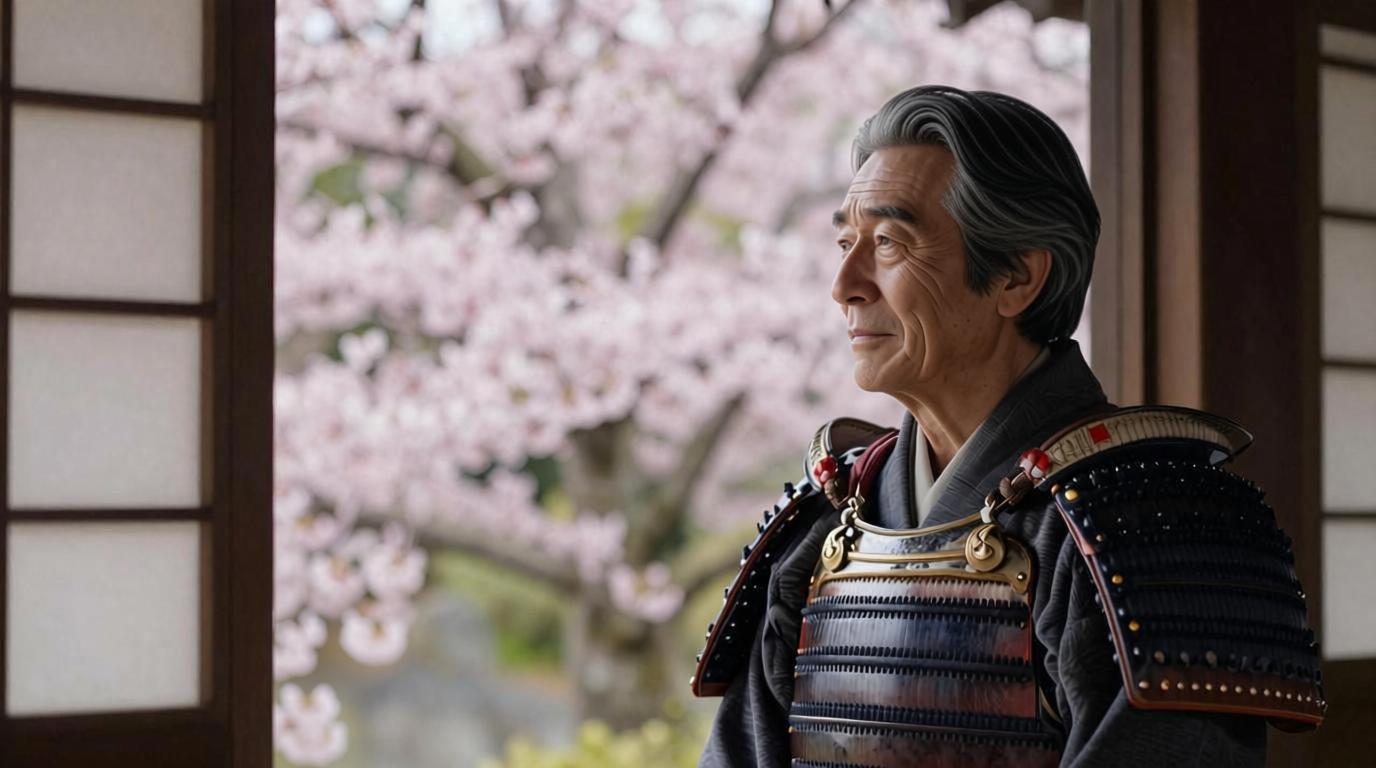
I was talking to a friend recently about the evolution of the martial arts.
Clearly, at one point in history, traditional budo became technically irrelevant on the battlefield. The modern samurai – professional soldiers and military leaders – were more interested in tanks, artillery and machine guns than they were in swordplay.
So why did traditional budo survive?
It was because practitioners knew the power budo had to shape character, its ability to forge better, stronger people.
So, the traditions were preserved – with all of their emphasis on the committed performance of obsolete battlefield tactics.
After that discussion, I realized that something comparable had happened with me.
When I first got involved in martial arts – jujutsu, taekwondo, karate and finally Aikido – I wanted to learn to fight. Of course I was also quite intrigued by the culture and the traditions, but practicality on the streets was my focus.
But I changed.
I realized that I was putting a lot of time and effort into learning something that most likely would never be of any immediate, practical use. In fact, if I happened to be in a situation where it looked like a real fight was a possibility, I knew that the sanest strategy would be to consider the alternatives first.
That’s when the penny dropped. I realized that what had become truly important to me was the powerful force Aikido and the Aikido community were having in shaping my life for the better.
That’s not to say that I don’t still insist on Aikido techniques “working” in terms of basic principles, though, but that’s because it is a martial art. A katana is a beautiful and deadly weapon, even if it might be considered obsolete.